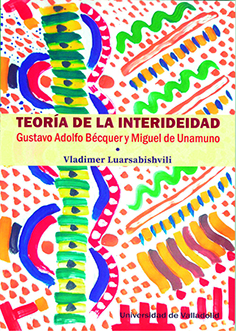
THEORY OF INTERIDEITY. GUSTAVO ADOLFO BÉCQUER AND MIGUEL DE UNAMUNO
Keywords:
Becquer, Unamuno, Romanticismo, ExistencialismoSynopsis
By proposing the theory of romantic-existentialist interideality, the author accurately and from a multiple perspective (literary, philosophical, linguistic, rhetorical) demarcates the different worldviews, basing his initial approach on the existence of a theory of intertextuality, accepted and developed in the studies of literary theory and criticism by the scientific community. By carrying out an intertextual analysis in an accurate selection of literary texts by Gustavo Adolfo Bécquer and Miguel de Unamuno, the study presented here takes into account the analysis of the microstructural components of the works and their relationships and, in addition, it attends to the macrostructural relationships (of intensional semantics and extensional semantics) in an integrating dynamic of these two aspects of the text.
Downloads (Open-access books)
References
Published
Categories
Copyright (c)
Ediciones Universidad de Valladolid y autor(es)/autora(s) - 2022License

This work is licensed under a Creative Commons Attribution-NonCommercial-NoDerivatives 4.0 International License.