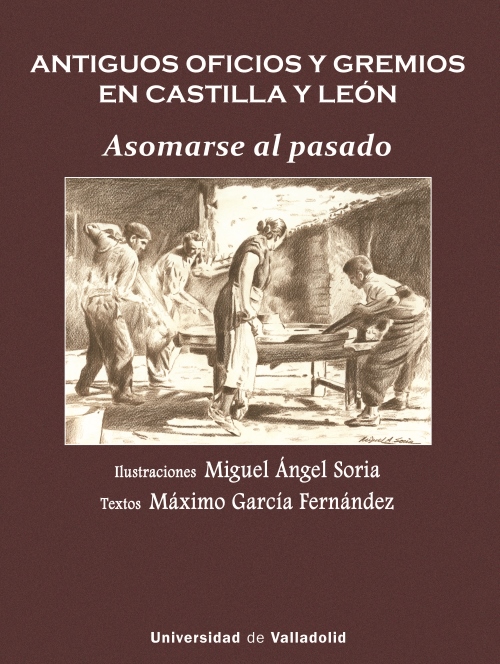
Antiguos oficios y gremios en Castilla y León. Asomarse al pasado
Palabras clave:
antiguos oficios, gremios, Castilla y LeónSinopsis
Como la vida ha cambiado considerablemente desde los siglos medievales, y del XVI al XVIII o XIX, buena parte de aquellas escenas laborales han desaparecido ya o sus actividades sólo perviven en la memoria artesanal. Sigue habiendo muchos panaderos y cocineros trabajando en el campo hostelero de los fogones, y joyeros, y todavía bastantes alfareros y ceramistas, pero cada vez hay menos canteros dedicados a la piedra o el barro, sastres, modistas o sombrereros consagrados a la confección textil lanera, serradores y cuberos aplicados al mundo de la madera, esquiladores, pellejeros y curtidores que traten con primor los cueros, guarnicioneros y zapateros que se afanen en torno al calzado de obra prima, herreros y herradores vinculados a sus yunques y fuelles, buenos esparteros, cedaceros o cesteros, espaderos metalúrgicos que bruñan las armas blancas, expertos carreteros transportistas (y no meros vehículos de mudanzas) o aquellos apreciados maestros de “primeras letras” y entintados libreros relacionados con el universo infinito de las letras, la escuela, los libros y los periódicos pioneros. Y han evolucionado una enormidad las barberías y peluquerías, la medicina, el atractivo de músicas y teatros ambulantes, el protagonismo de la cera y el arribo ultramarino de especias o el arte de los toreros y los espectáculos taurinos, así como “mil y un oficios más”, ligados a los quehaceres de relojeros, guitarreros, jugueteros… y tantos otros relacionados con el “servicio público o del hogar” tan presentes siempre todos, cotidianamente, en las calles de nuestras ciudades castellanas. En concreto, se detallan más de ciento cincuenta oficios, agrupados en 27 apartados temáticos.