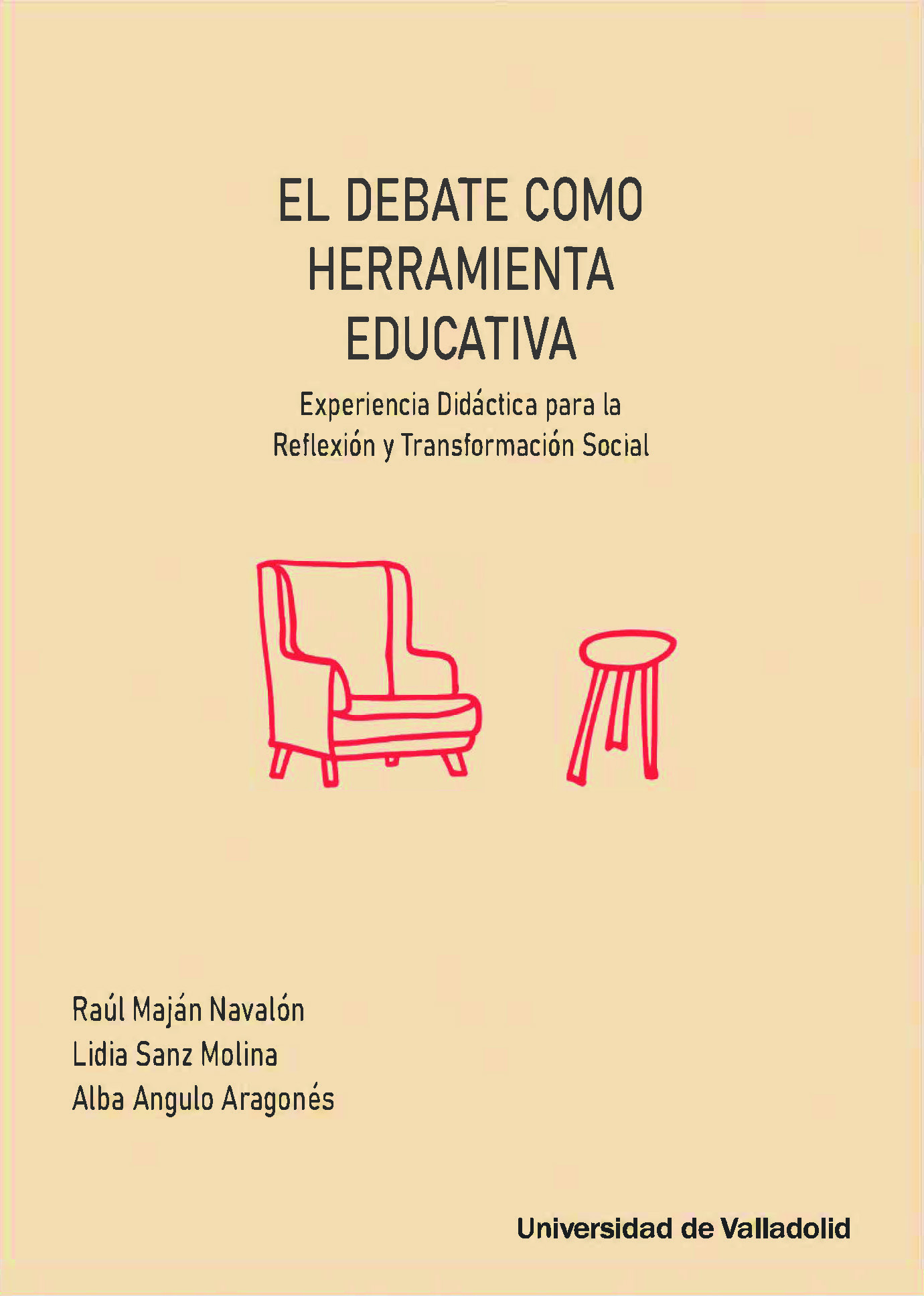
Debate as an educational tool. A Pedagogical Experience for Reflection and Social Transformation
Keywords:
Academic debate, University Social Responsibility (USR), Transversal competencies, Critical thinking, Public speaking, Argumentation, Sustainable Development Goals (SDGs), Rhetoric, Debate-based learning, Teaching innovation, Active methodologies, Metodologías activas, Transferencia del conocimiento, Knowledge transfer, Higher Education, Debate tournaments, educationSynopsis
The RSUVa Debate Club is a pilot initiative led by Tierra Sin Males at the University of Valladolid (Soria Campus) that uses academic debate as a tool for learning and transformation. The program connects courses across degrees around University Social Responsibility—SDGs, equality, sustainability, citizenship—and strengthens transversal competences: critical thinking, public speaking, active listening, and teamwork. The methodology blends workshops in rhetoric and argumentation, guided preparation of positions, responsible source searching, and moderated debates. Assessment draws on pre/post surveys, rubrics, observation, and qualitative analysis.
Findings show strong student appreciation and perceived gains in speaking confidence, discourse structuring, and empathetic listening; they also reveal barriers—stage anxiety, limited time, large cohorts—and improvement opportunities—curricular integration, progressive practice, formative feedback, and safe spaces. The book systematizes theoretical framework, instructional design and instruments, reports data and lessons learned, and proposes a transferable model adaptable to university and pre-university contexts. It concludes with practical recommendations for instructors and administrators, sample rubrics and tournament formats, and a roadmap to consolidate academic communities that are more critical, dialogic, and committed to social justice and sustainability. Evidence also indicates gains in ethical reasoning and civic engagement within classroom communities across courses and cohorts.
Chapters
-
IntroductionProject description and justification
-
Theoretical Framework
-
Project Objectives
-
Methodology
-
Analysis
-
Findings
-
Dissemination of Experiences
-
Conclusions
-
Appendices
-
References
References
"La evidencia científica reconoce que las universidades generan una importante contribución al desarrollo de la sociedad y a la consolidación de un desarrollo sostenible a través de su Responsabilidad Social" (p. 4)
"Un debate formal anima a los participantes a analizar críticamente los argumentos presentados (tanto los propios como los de la oposición), y a evaluar la validez de las evidencias y fuentes utilizadas" (p. 21)
"A través de este proyecto, los estudiantes han practicado estas habilidades de comunicación, pensamiento crítico y argumentación; lo que contribuye directamente a su desarrollo integral y los prepara mejor para los desafíos del mundo real." (p. 49)
"La metodología aplicada en el Club de Debate RSUVa puede adaptarse y replicarse en distintos contextos educativos que busquen promover la reflexión crítica y el desarrollo de habilidades comunicativas" (p. 49)
Downloads
Published
Categories
Right Holder
EDICIONES UNIVERSIDAD DE VALLADOLID 2026License

This work is licensed under a Creative Commons Attribution-NonCommercial-NoDerivatives 4.0 International License.